

GREENCHAR & TIERRAS DE MONTAÑA
Carbon Removal & Territorial Infrastructure — Colombia
Design Note 001 / Investor Brief
MARKET REALITY (Supercritical CDR Report H2 2026):
81% of premium biochar supply is already sold out, yet 84% of pipeline projects fail strict quality vetting due to upstream biomass rot and methane emissions. We solve the exact bottleneck holding back global CDR scale.1. The Origin: Coffee Cherry & Wet Pulp

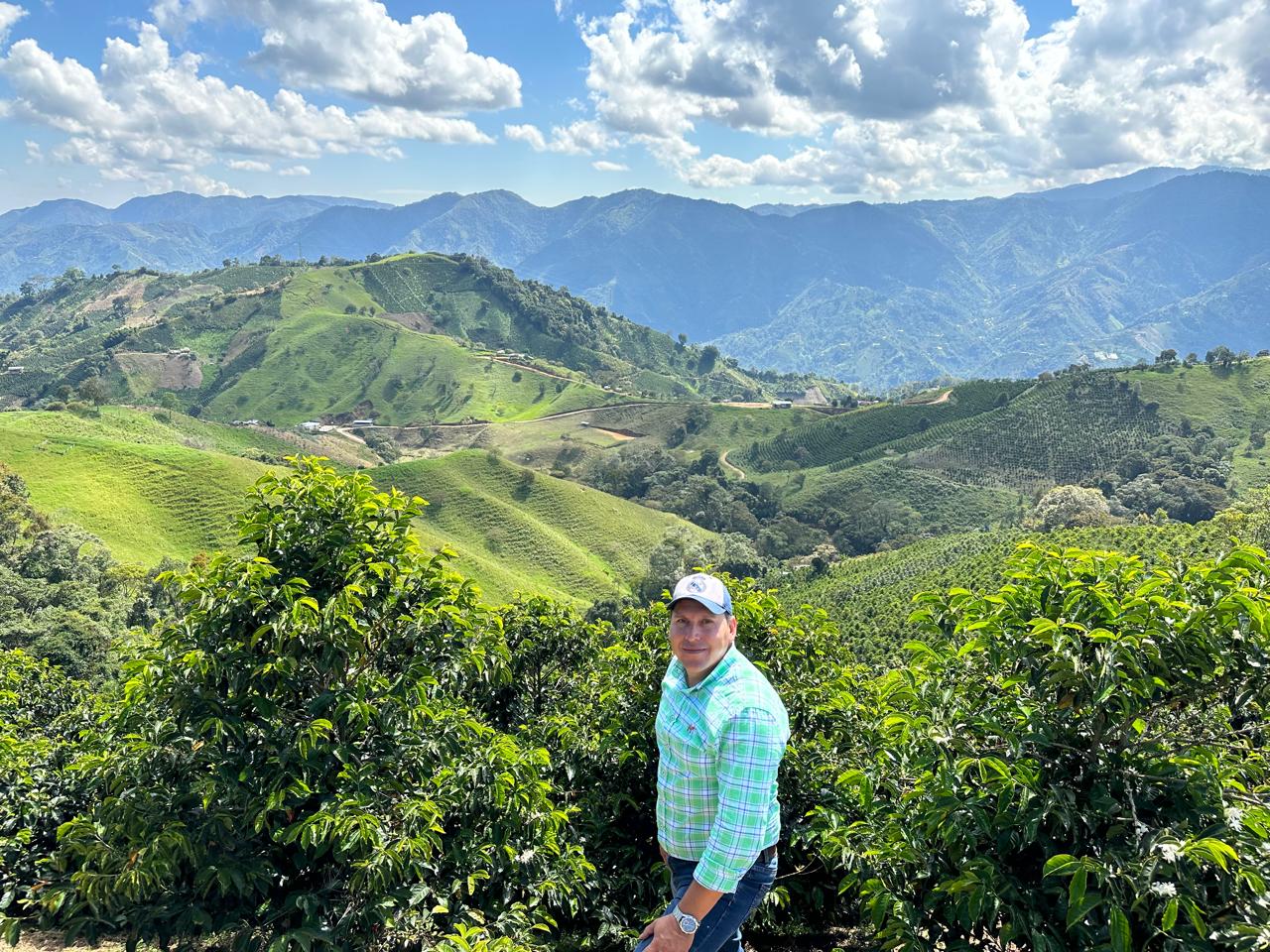
On-site with producer Duberney Cifuentes (Finca Montreal, Planadas). Coffee production generates millions of tons of wet pulp with 80–85% moisture. Left untreated, it degrades within hours, releasing methane (CH₄) and contaminating watersheds.
2. Territorial Anchor: Planadas, Tolima


Founder & CEO Ehoud Cola on the ground in Planadas (post-conflict Andes). Partnered with local producer associations (ASOPAP, ASEPROPAZ) and the Nasa We’sx indigenous community to secure long-term feedstock supply.
3. Territorial Context: Planadas Pilot Zone (Figura 7.1) & Core Innovation: Passive Preservation Architecture (Figura 7.2)
Our proprietary Design Note 001 stabilizes high-moisture pulp directly at the farm level using natural airflow, biochar stratification (10cm layers), and gravity drainage—reducing moisture from 85% to ~22% with zero energy grid consumption.
Strategic mapping of coffee farms, access roads, and regional collection centers (Acopio) across Planadas, Tolima.
